Private Label Cycling Apparel Built From a Fabric Choice You Actually Understand
A handful of SKUs, developed from scratch, under your own label. See how the fabric and chamois decision actually gets made, and how a first-season order gets treated here.
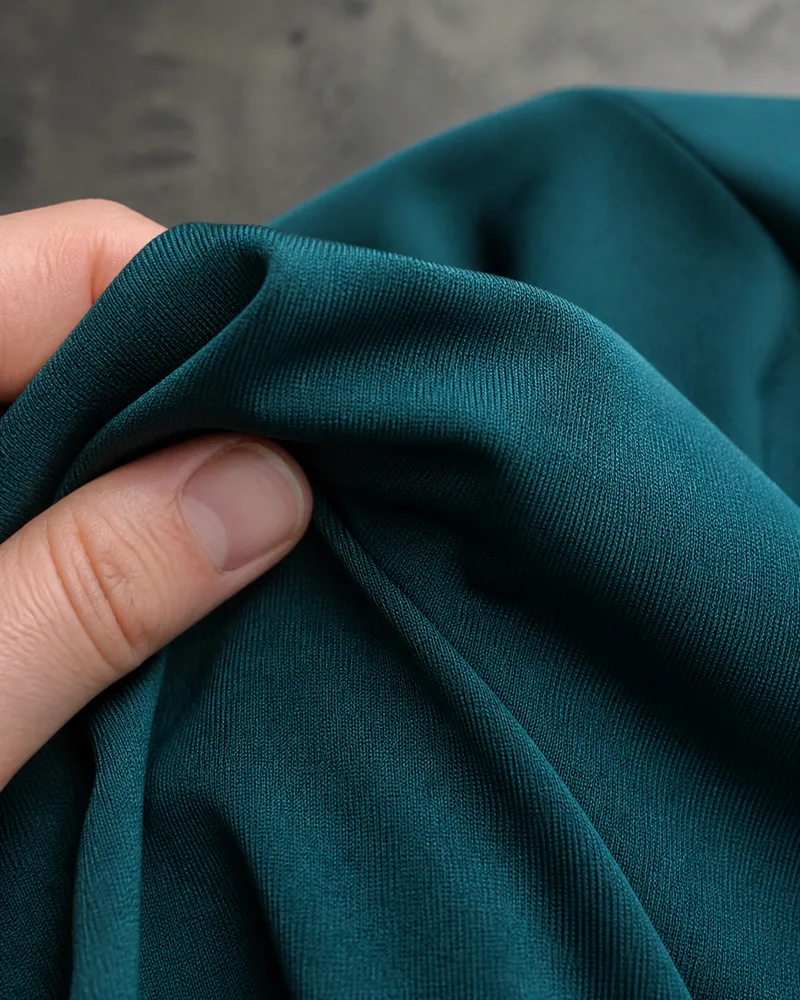 Fabric
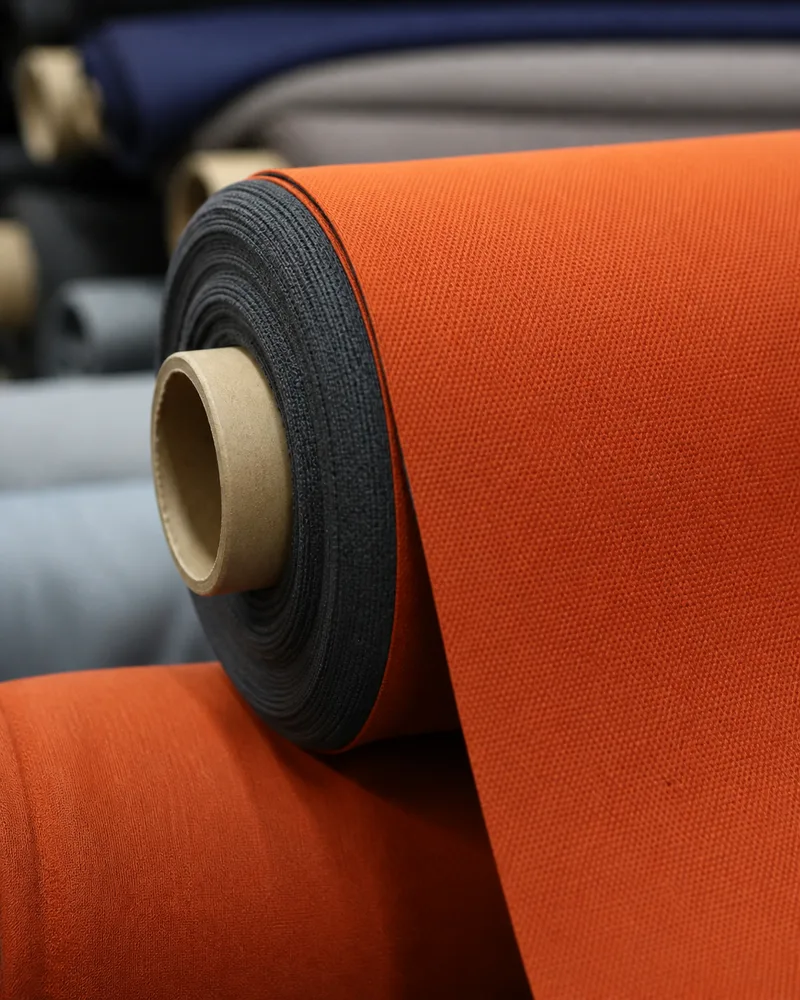 Sample
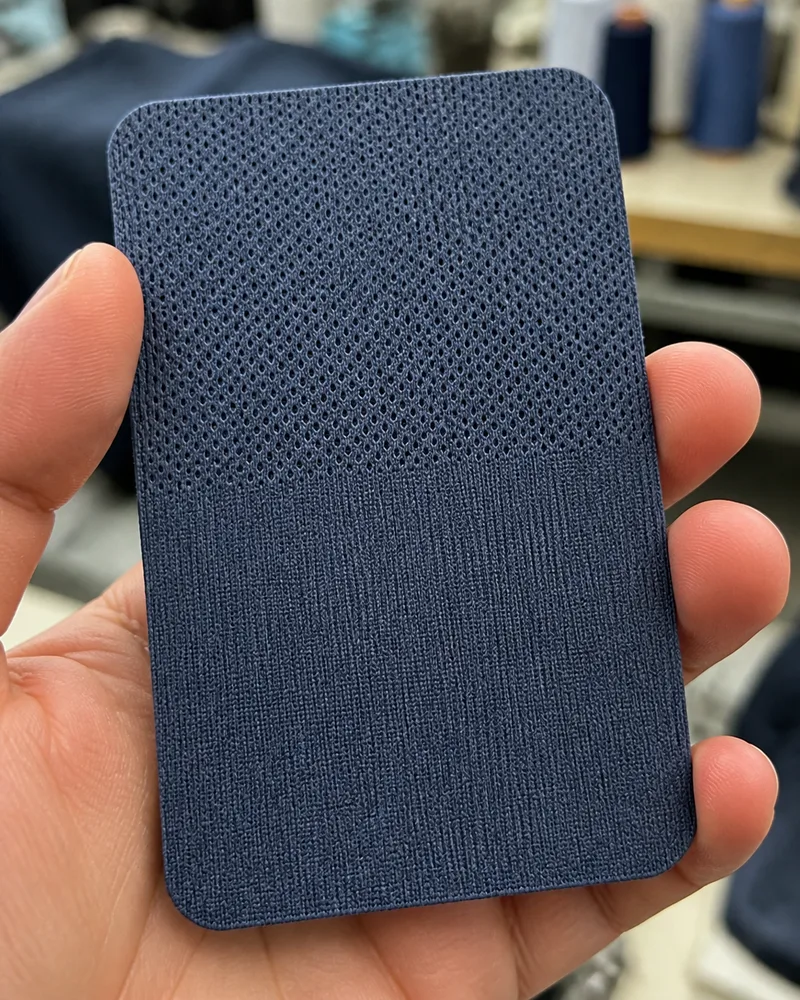 Weave
Weave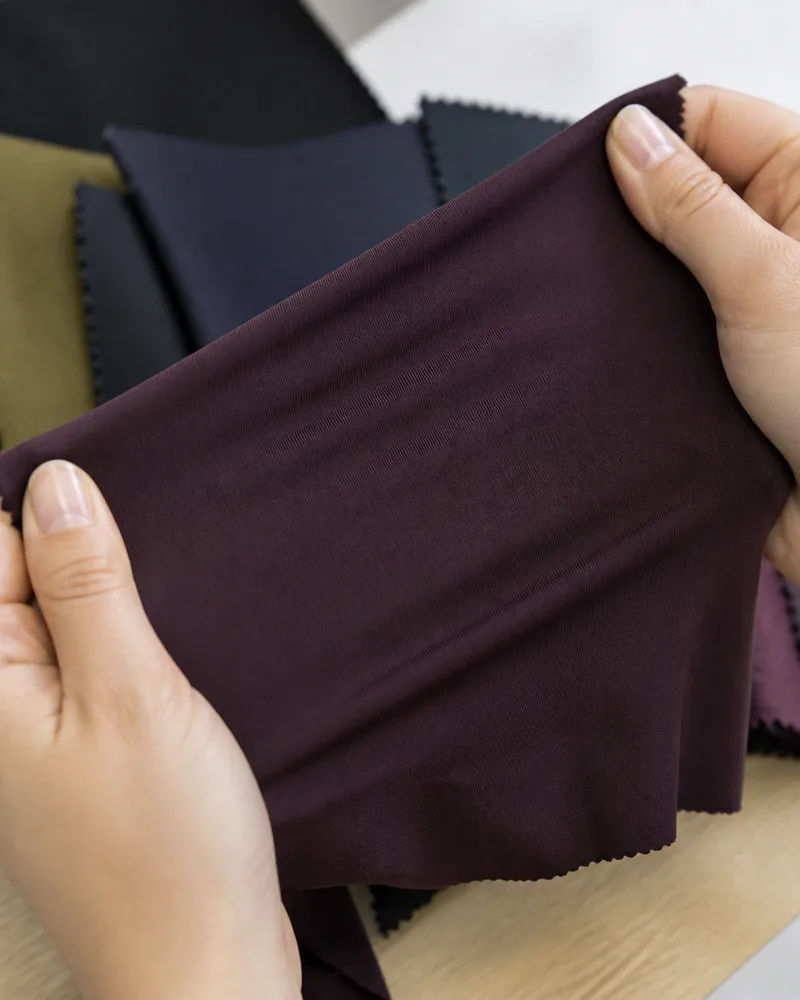 Stretch
Which Starting Point Is Yours?
Three starting points, decided by what you already have — not by how experienced you are.
A Complete Tech Pack
Cut, fabric direction, decoration spec, and quantity shape already defined. This runs as OEM.
A Concept and Reference Images
A direction rather than a finished spec — a mood board, garments you like, a rough idea of the fit. This runs as ODM.
Just Your Own Label
No spec work done yet, just a brand name and a wish to launch under it. This runs as Private Label.
Section 4 covers what each starting point means for how your first season actually develops; the full side-by-side comparison — including IP ownership and a preparation checklist for each path — lives on OEM, ODM, and private label cycling apparel services.
Starting Your First Season
What your starting point means for how development actually begins.
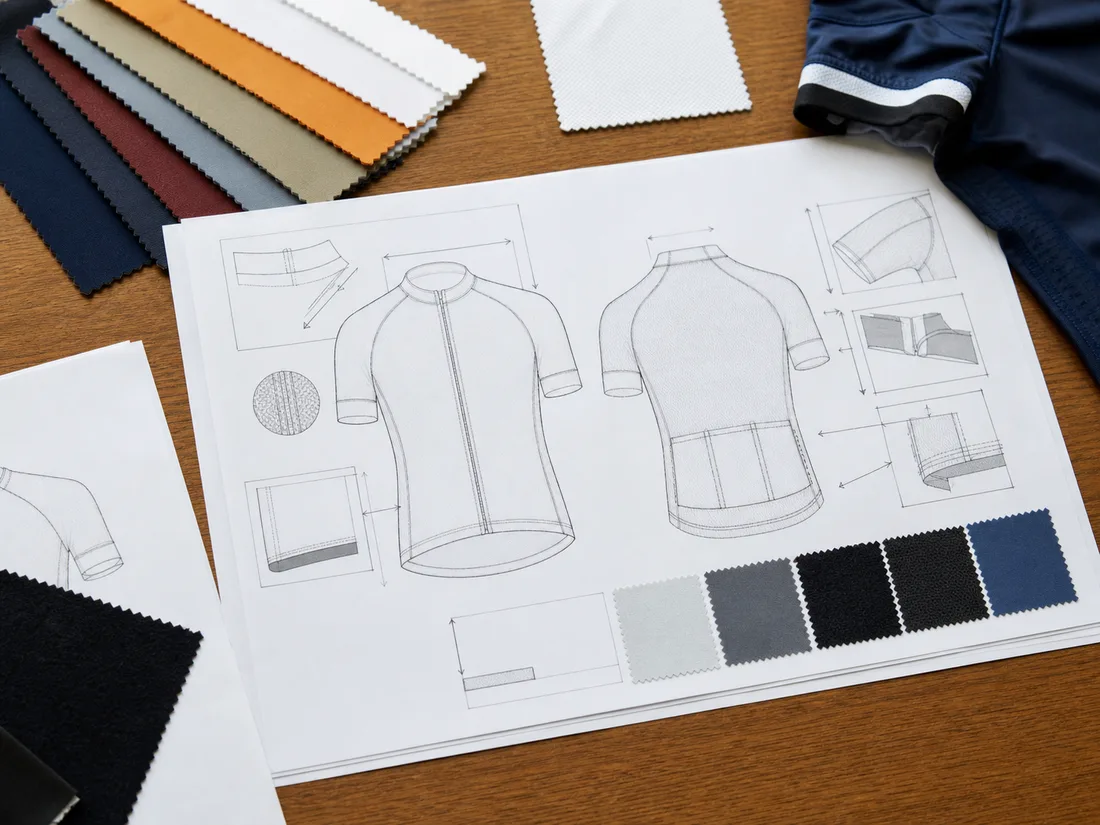
OEM: If You Have a Complete Tech Pack
Development starts from your specification as given — cut, fabric direction, decoration placement, and quantity shape already defined.
Our side executes against what you've already engineered — the pattern, fabric direction, and decoration file are read from your tech pack rather than redrafted from a brief.
See the full OEM comparison →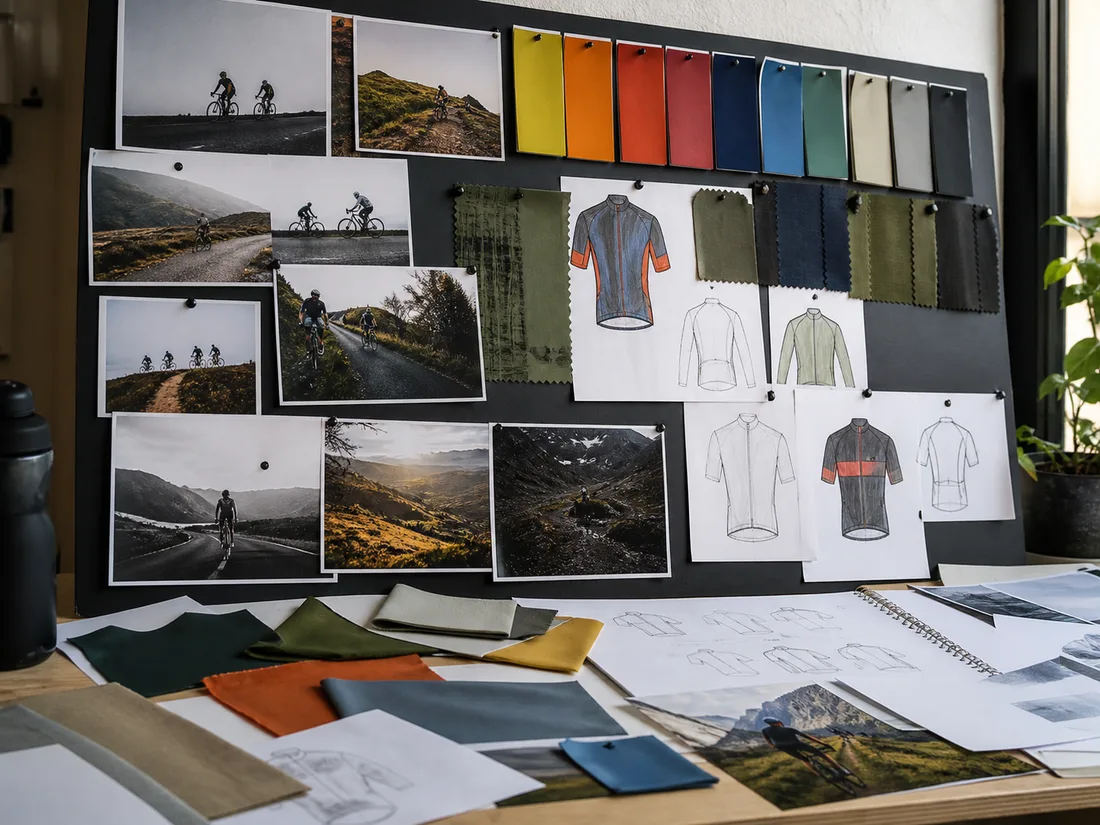
ODM: If You Have a Concept and Reference Images
Development starts from your direction rather than a finished spec — a mood board, garments you like, a rough idea of the fit.
Our side works the concept into a produceable specification with you, rather than asking you to produce one first.
See the full ODM comparison →
Private Label: If You Just Want to Launch Under Your Own Label
No spec work done yet, just a brand name and a wish to launch under it — built onto an already-proven base.
Development starts from a smaller set of decisions on your side — colorway, main label, and packaging — rather than an entirely new development from zero.
See the full Private Label comparison →Whichever starting point you begin from, what's produced under your label carries your ownership. The full IP position and a step-by-step preparation checklist for each path sit on OEM, ODM, and private label cycling apparel services.
Sizing a First Season to Test the Market, Not Guess at It
Regardless of starting point, the first-season decision that matters most is how wide to spread a limited budget: more SKUs with fewer colorways each, or fewer SKUs with a deeper colorway range. A wider spread across SKUs tests more of your concept at once — useful if you're not yet sure which product resonates. A narrower spread with more colorway depth on fewer items tests color and price sensitivity more precisely on a concept you already believe in. Neither is the safe default; the right answer depends on which question you can least afford to still be guessing at by season two.
Sizing the Range Within Each SKU
Within a single SKU, the same logic applies to sizes: a first season doesn't need every size in the range stocked deep. A size curve weighted toward the sizes your target customer is most likely to order — informed by whatever sell-through data you already have from any prior product, even outside cycling — tells you more about real demand than an even spread across every size, which mostly tells you how many sizes exist.
Choosing Fabric and Chamois Without Guessing
How the material decision gets made, so a wrong choice doesn't surface after the sample.
Fabric
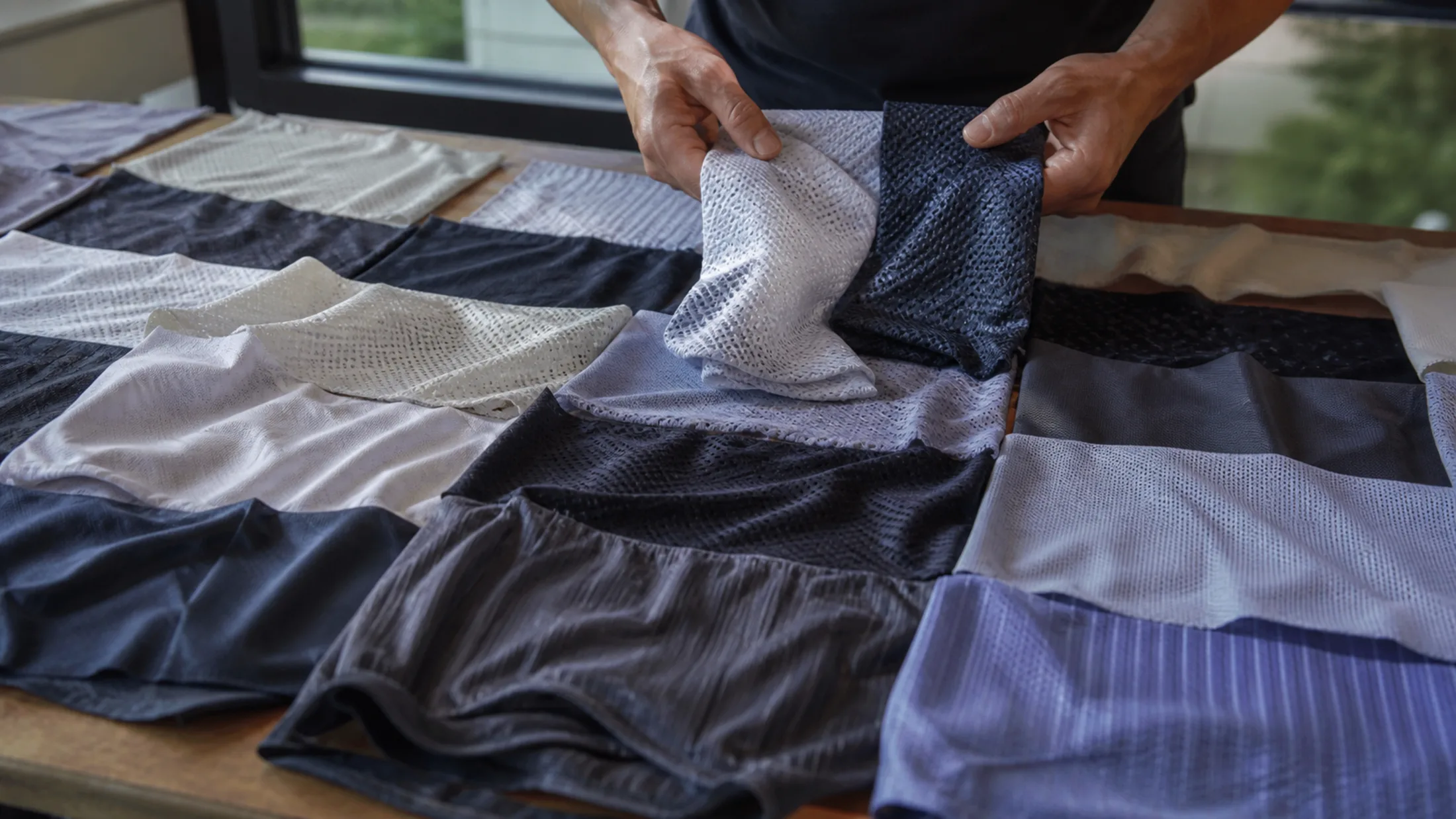
Fabric is chosen from the same two-component nylon/spandex matrix used across the factory — 88/12, 90/10, or 91/9 — selected by weight and finish for what your first season needs: a lighter, higher-mesh construction for a warm-weather line, a heavier four-way-stretch build for a year-round main body, or a windproof laminate if outerwear is part of the SKU list. The choice is made with you against what the garment needs to do, not left to you to work out from a spec sheet alone.
Chamois
If chamois is part of your first-season SKUs, that runs as a development and sampling project built against a reference specification you provide — there is no off-the-shelf chamois product to choose from a catalog. Density and structure are worked out for your intended use case as part of that development, not picked from an existing range.
Ready to Start Your First Season?
Start Your First SeasonHow a First-Season Order Gets Treated Here
The response mechanism behind the section 3 declaration.
Reply Time on a First Inquiry
A first inquiry, regardless of size, gets a reply within 24 business hours — the same commitment whether the inquiry describes a six-SKU first season or a much larger order, because the reply time is a response-process commitment, not a size-based queue.
What the First Reply Actually Contains
The first reply isn't a form acknowledgment — it names who's handling your account and asks specifically for whatever's still missing to move to a quote (a fabric direction if you haven't picked one yet, a clearer reference if your concept images are ambiguous), rather than sending a generic questionnaire that restarts the conversation from zero.
A Quote Follows a Complete Tech Pack
Once a complete tech pack is in hand — cut, color reference, decoration spec, and quantity shape — a quote follows within 48 hours. If your starting point is ODM or Private Label rather than a finished tech pack, "complete" means complete for that starting point: a settled concept and reference set, not a full technical spec you haven't been asked to produce.
One Point of Contact
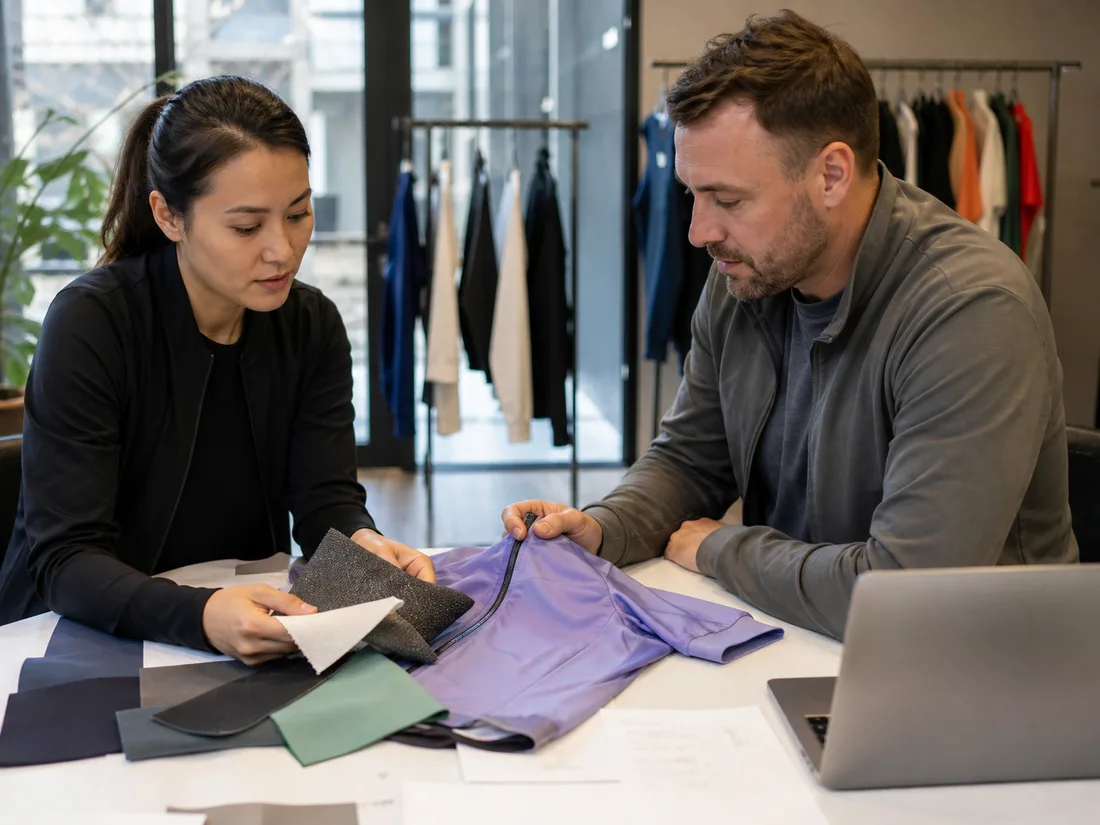
Your account is handled by the same contact across the first inquiry, the quote, and the sampling stage, so a first-season order doesn't get re-explained to a new person at every step. For a founder managing development alongside everything else involved in launching a brand, not having to repeat context at each stage is what actually saves time, more than any single response deadline does on its own.
Batch Consistency and Your Brand's Reputation
What "doesn't match" looks like to a customer, and what stops it from compounding across reorders.
What a Mismatch Actually Looks Like
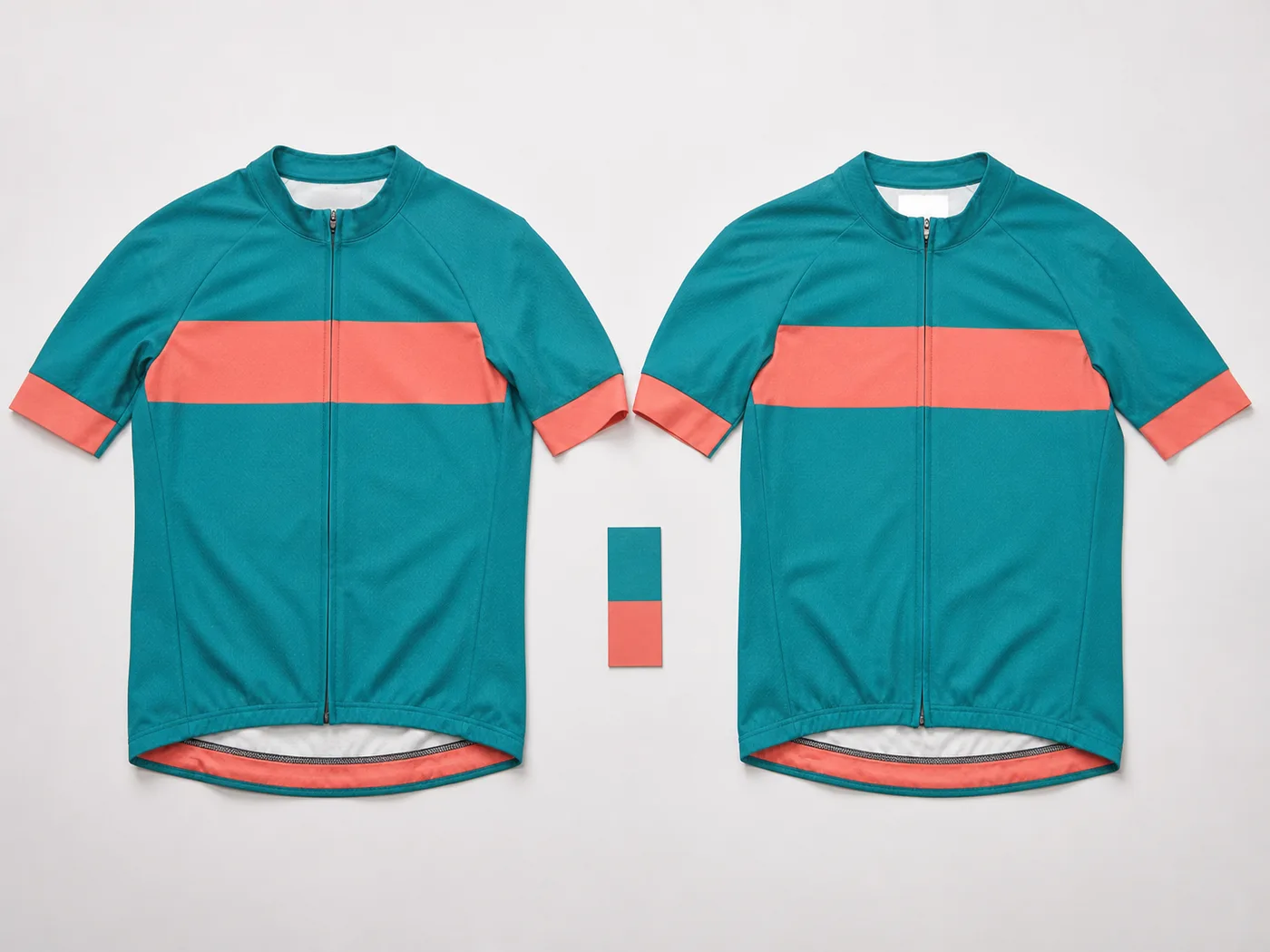
For a private label brand, a batch mismatch rarely shows up as an obvious defect — it shows up as a customer noticing their second order feels or looks slightly different from their first: a color that reads a shade warmer under normal light, a hand-feel that's a little stiffer, a print that's positioned a few millimeters off from where it sat before. None of those would fail a basic inspection on their own. All three are exactly what a repeat customer, who already owns the first version, will notice immediately.
Why It's a Bigger Problem for a Private Label Brand
A wholesale buyer reselling under someone else's name has some distance from that kind of drift — the brand absorbs the complaint, not the reseller. A private label brand doesn't have that distance: the label on the garment is yours, so a customer's complaint about consistency is a complaint about your brand directly, not about a supplier they've never heard of.
What Stops It From Compounding
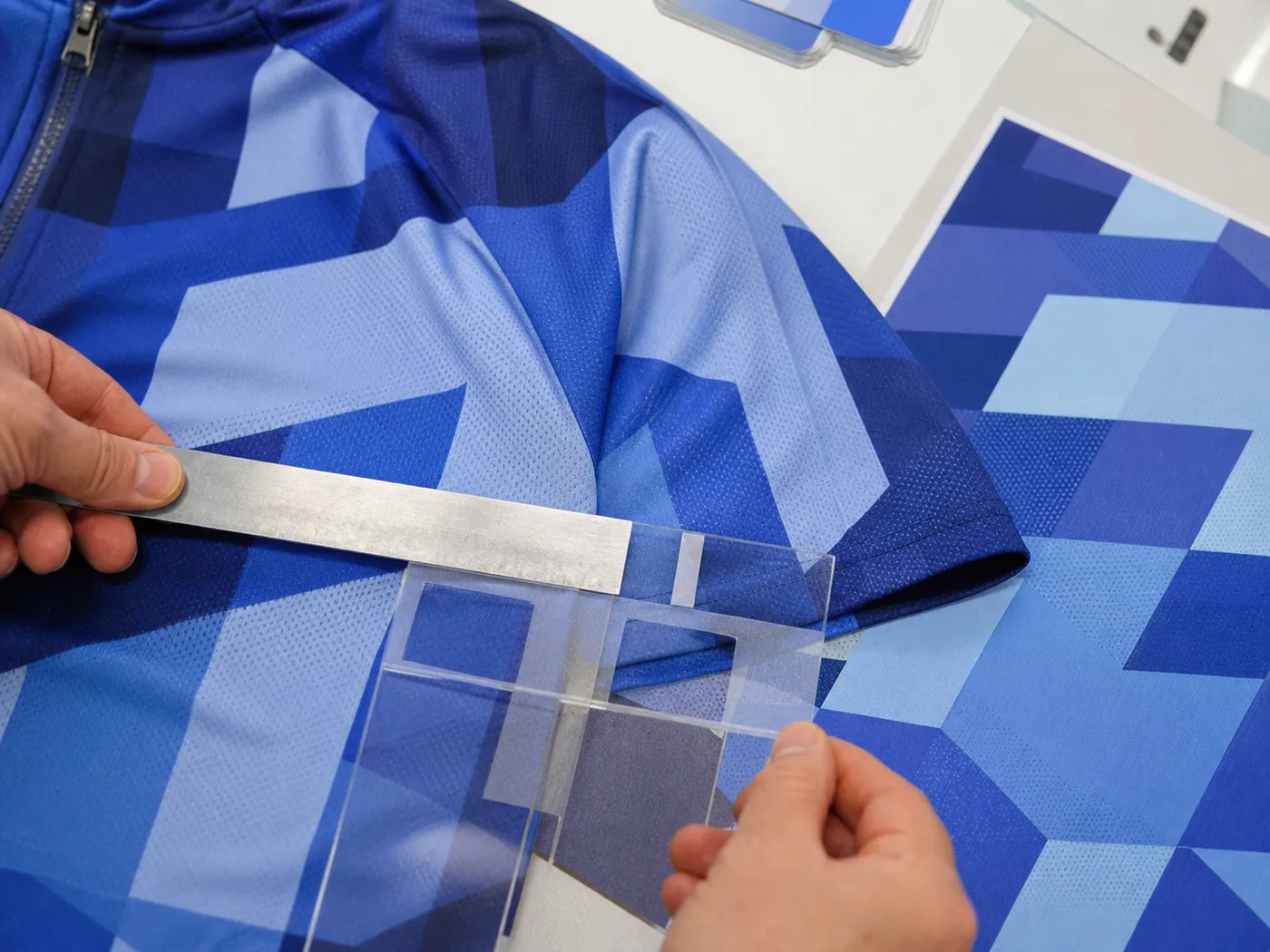
Each production run is checked against the same approved reference your first batch was matched to — the original signed-off sample — not against whatever shipped last month. That distinction matters: checking each new batch against the last one means small shifts can drift a little further each time and never get caught, because each comparison looks "close enough" to its immediate predecessor. Checking every batch against the original instead means a shift either matches season one or it doesn't, with nothing to hide behind in between.
A Brand's First Private-Label Season
A newly launched DTC cycling brand developed a first-season private label collection: 6 SKUs, 2 colorways each, 30 pieces per colorway, 360 pieces total, produced under the brand's own main label and packaging. The real brand name is not shown; the program is described by scale and structure only.
How the first season was actually sized: the brand entered through the private-label path with a settled concept rather than a finished tech pack, and kept the range deliberately narrow — 6 SKUs across 2 colorways each — to test the market without overcommitting on inventory, the same sizing logic described above. One contact carried the account from that first inquiry through sampling to the production order.
Why the batch held together on a first run: each colorway's production batch was checked against the original approved sample, not against the prior batch — the same drift-prevention check described above. That's what let a brand with no in-house QC history ship a first private-label season at consistent quality across all 12 colorway runs.
No brand name or logo is shown; the program is described by scale and structure only.
Questions From Brands and DTC Founders
The questions that come up most before a first private label season.
Start the Conversation
One form, four fields, for wherever your first season is right now.